
A Community-Led Grassroots Initiative
What is needed now is a heritage-led placemaking strategy that is grassroots and involves communities in shaping, preserving and protecting the past. This requires the space and time needed to test, learn and create opportunities to harness the visitor economy for their future.
The four communities in close proximity to Pontcysyllte Aqueduct could, through connected routes, the repurposing of heritage buildings, and the preservation and elevation of heritage assets and historic sites, be transformed into a living, open-air heritage experience. Stories and chapters in time could be told through each community, forming a connected World Heritage Site narrative.
In doing so, this would support a more equitable distribution of the existing visitor economy. Importantly, this would be unlocked by the communities themselves, ensuring they feel valued, their heritage is recognised, and a sense of ownership and long-term guardianship is established.
In 2022, we began researching the area, its heritage, past development initiatives, and current and future strategies, while gradually building relationships with residents, community groups, community councils and local partners. Through this, we have gained insight into the individual and collective identities of these communities, identifying both opportunities and challenges. This work was made possible through Shared Prosperity Fund support via Wrexham County Borough Council, with the aim of developing a heritage-led placemaking strategy and exploring the potential for a long-term programme that could act as a catalyst for positive change.
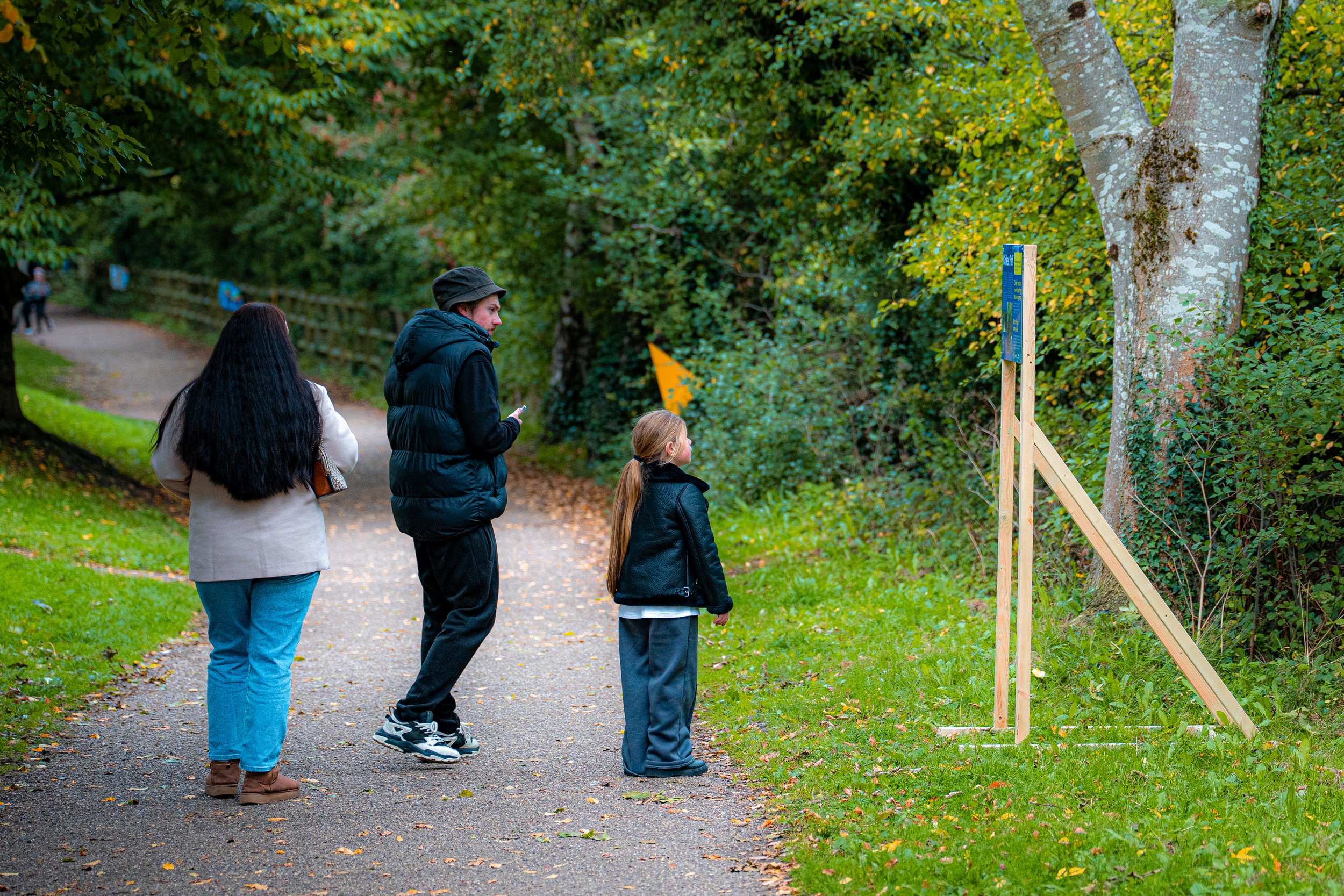
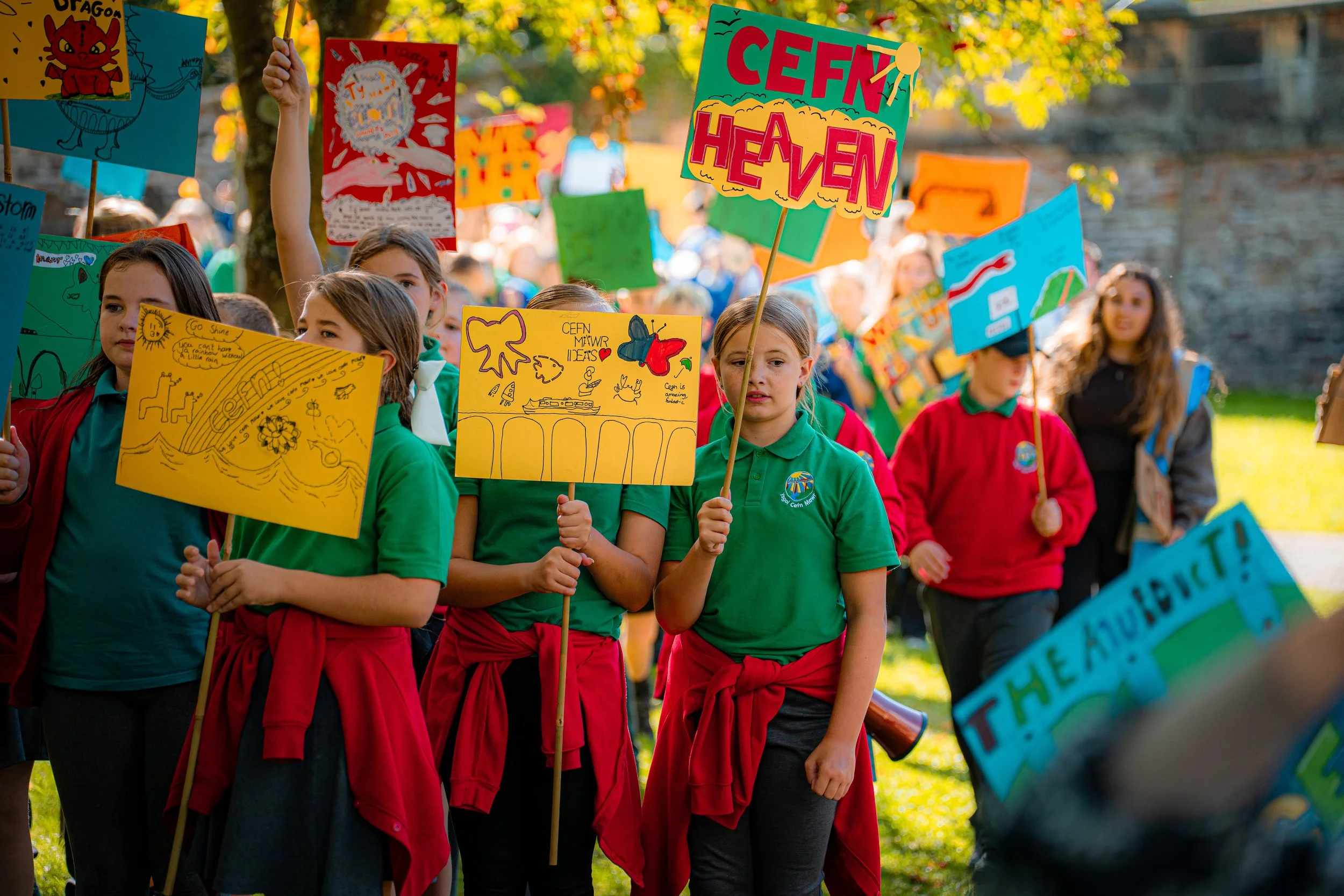
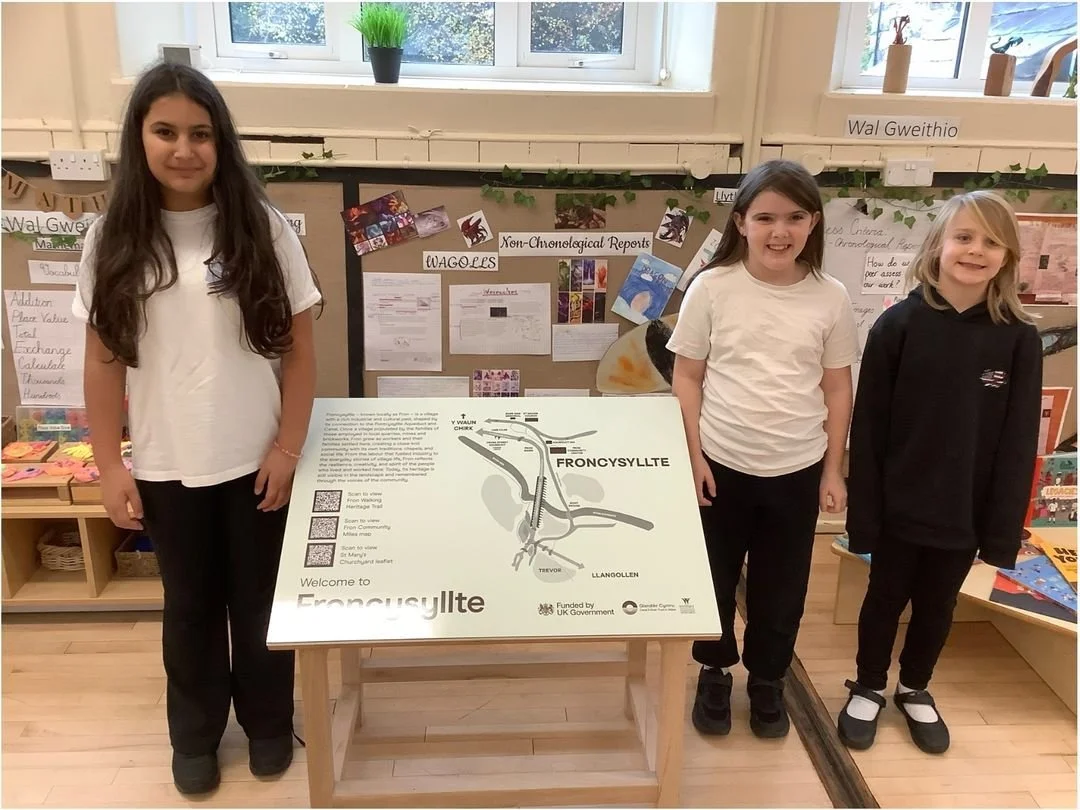
Two phases, The Bridge That Connects and Navigating Through Time, have been delivered through this funding.
Building on this extensive work, we now aim to develop a Stage One Heritage Fund application to unlock the full potential of the area. This includes the redevelopment or repurposing of heritage buildings, historic sites and connected routes, informed by community engagement, volunteering, education and wellbeing programme development. These programmes will be designed to unite, activate, sustain and grow the role of these sites in the future.
Through a pioneering education programme and collaborative framework, developed in partnership with the Gwynedd World Heritage Site Slate Landscape, there is an opportunity to showcase North Wales globally. These sites can bring together research, nature, culture, communities and governance in an integrated way, enabling partnerships between UNESCO sites, universities, schools and institutions to test innovative, place-based approaches to contemporary challenges.
With the development time enabled through investment, we aim to fully map, appraise, preserve and enhance the scale of hidden heritage across the surrounding communities and landscape. This will support the Pontcysyllte Aqueduct and Canal World Heritage Site to evolve into a community, heritage, environmental and education-led sustainable tourism model for the future.
Each year, an estimated 300,000 to 500,000 visitors come to the Pontcysyllte Aqueduct and Llangollen Canal World Heritage Site, drawn by its extraordinary blend of engineering brilliance, natural beauty and historical significance. However, many visitors leave quickly, unaware that the aqueduct is only one part of a much larger, interconnected story made up of surrounding landscapes and communities.
The 11-mile World Heritage Site is living heritage: a confluence of tangible physical, social and cultural industrial histories. These stories are embedded in waterways, architecture, bridges, tunnels, basins, wharfs and industrial remnants, as well as in the landscapes shaped by engineering innovation. Traces of tramroads, quarries and viewpoints remain but are often hidden or overlooked. These fragmented stories are held within community-led museums and local collections that require investment to preserve and connect the full narrative of the site.
Each community has its own story of slate, coal, limestone, ironworks and industrial trade, all shaped by the development of the canal and aqueducts. If brought together, this rich and fragmented heritage has the potential to activate, preserve and share a living history, while also widening the diversity of heritage audiences and preventing loss of knowledge.
There is currently a disparity in how the visitor economy is distributed, which could be addressed by investing in a more connected and complete storytelling approach across the site.
There is also a clear opportunity to deepen the relationship between heritage, innovation and education, ensuring that the achievements of the past continue to inform and inspire communities, visitors, learners and future generations of engineers and creative thinkers.
Situated within a landscape of exceptional natural beauty and industrial significance, the Pontcysyllte Aqueduct and Llangollen Canal offer a unique opportunity for heritage-led placemaking co-created by the communities who live there. Looking ahead, it is vital that this landscape continues to nurture curiosity, innovation, craftsmanship and the shared human drive to build, connect and imagine.
Through partnership working, we aim to unlock the full potential of this World Heritage Site through a connected, inclusive heritage, culture and community-led strategy. This will embed opportunities for grassroots place-shaping through creative learning, skills development and volunteering, underpinned by climate justice, health and wellbeing. In doing so, this world-renowned landscape can support a new chapter of learning, healing and sustainable growth for future generations.